Winning Edge: Mastering the Psychology of Gambling
Understanding the Mind of a Gambler
Gambling is more than a game of chance; it’s a psychological battlefield where the mind plays a crucial role in winning and losing. To master the psychology of gambling, one must first understand the thought processes and emotions involved. The excitement of placing a bet or the anticipation of a win can trigger a surge of dopamine—a powerful neurotransmitter associated with pleasure and reward. This chemical reaction is what keeps players coming back, seeking that euphoric feeling of success.
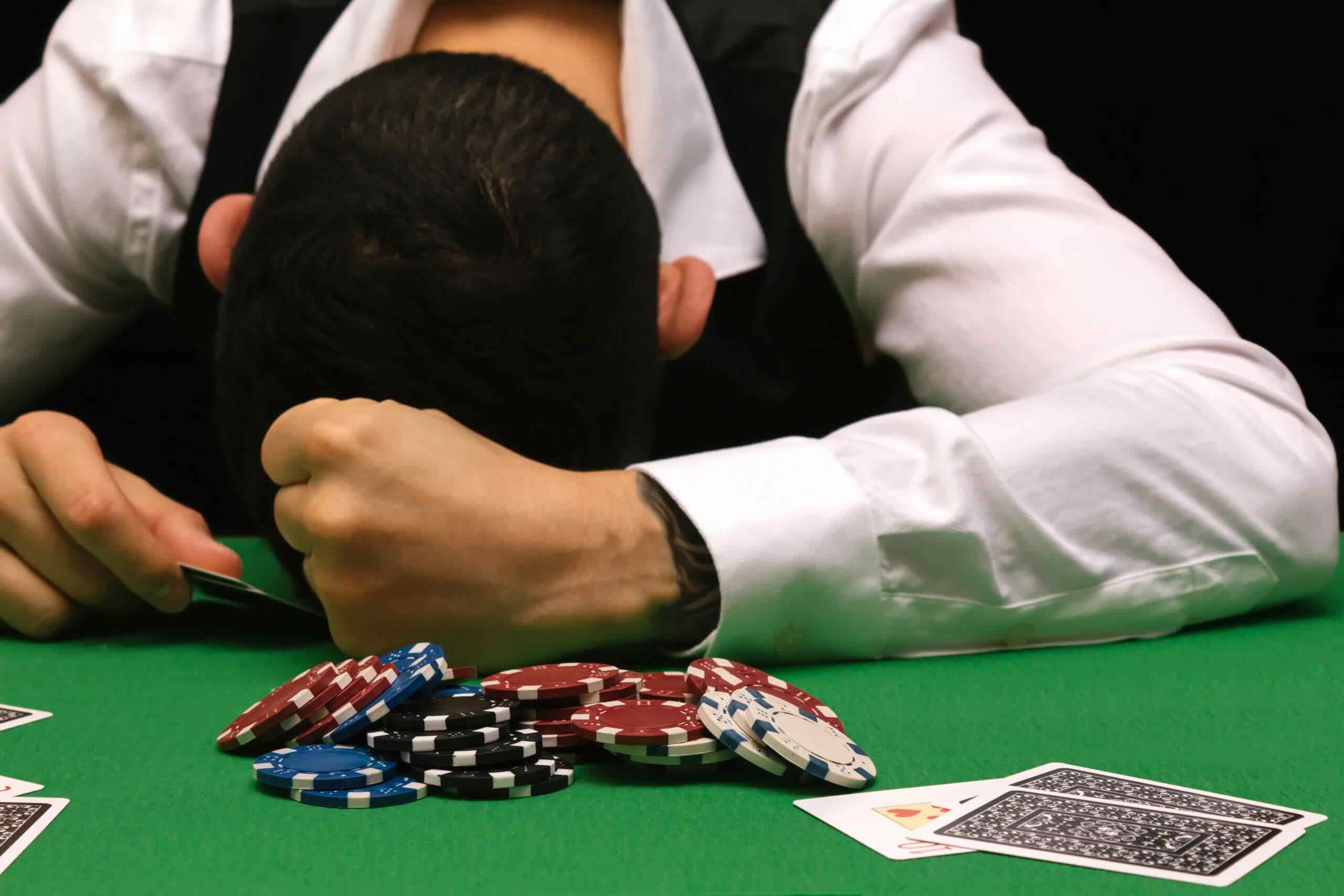
In the realm of casino games, understanding these psychological triggers can significantly enhance one’s ability to make calculated decisions rather than impulsive bets. For instance, games like roulette or poker aren’t just about luck, they require strategic thinking and a keen understanding of human behavior. With platforms like casino scores monopoly live, players can access a spectrum of detailed insights that analyze game outcomes and strategies. Integrating these insights into your gameplay can provide a significant advantage, as they enable you to predict patterns and make informed decisions rather than relying solely on chance.
Emotional Control and Bankroll Management
Emotional control is a cornerstone of successful gambling. The exhilarating highs and crushing lows can be managed with a robust mental framework. Skilled gamblers often develop techniques to maintain emotional equilibrium, ensuring that their decisions are based on logic instead of emotion. For instance, adopting practices like setting loss limits and taking breaks can prevent the common pitfall of chasing losses, which often leads to financial defeat.
Equally important is effective bankroll management, a psychological tool that helps in maintaining discipline. Knowing how much you are willing to risk and adhering to that limit keeps the gambling experience enjoyable rather than stressful. This foresight allows gamblers to enjoy the game without the overwhelming pressure of potential financial ruin. It transforms gambling from a reckless endeavor into a controlled activity where players stay in the game longer by strategically deploying their resources.
The Role of Luck and Skill in Gambling
The debate between luck and skill is as old as gambling itself. Understanding the balance between these two elements is key to a successful strategy. While luck undeniably plays a significant role, skill often tips the scales in favor of the well-prepared. Games like poker exemplify this blend, where a player’s knowledge, experience, and tactical decisions can outweigh the element of luck over the long term.
In games of pure chance such as slots, the role of skill diminishes, yet players can still employ strategies that manage their playtime and expenditures. Recognizing the nature of a game can influence a gambler’s approach, ensuring they place their bets in scenarios where their skill can shine. It is this understanding and adaptation that gives players a winning edge, as they craft and execute strategies tailored to the specific dynamics of each game.
Exploring CasinoScores for Strategic Insights
The website CasinoScores offers an arsenal of tools for gamblers eager to master the psychological aspects of gambling. With detailed game analytics and expert advice, it equips players with the knowledge needed to enhance their strategies. For those who are serious about their gambling endeavors, CasinoScores becomes an invaluable resource, guiding them through the nuances of various games and highlighting patterns and trends that could affect outcomes.

Furthermore, the platform’s in-depth reviews and expert insights can educate players about the psychological components involved in gambling. By preparing both mentally and strategically, players can boost their confidence and performance, turning gambling into a more calculated and enjoyable pursuit. With CasinoScores, mastering the psychology of gambling is no longer a mysterious endeavor but a reachable goal powered by data and expert guidance.
Leave a Reply